Modern kitchen production no longer relies solely on manual drawings or workshop improvisation. Instead, it follows a streamlined digital workflow that begins in CAD (Computer-Aided Design) software and ends in CNC (Computer Numerical Control) machining centers.
From Idea to CAD Model
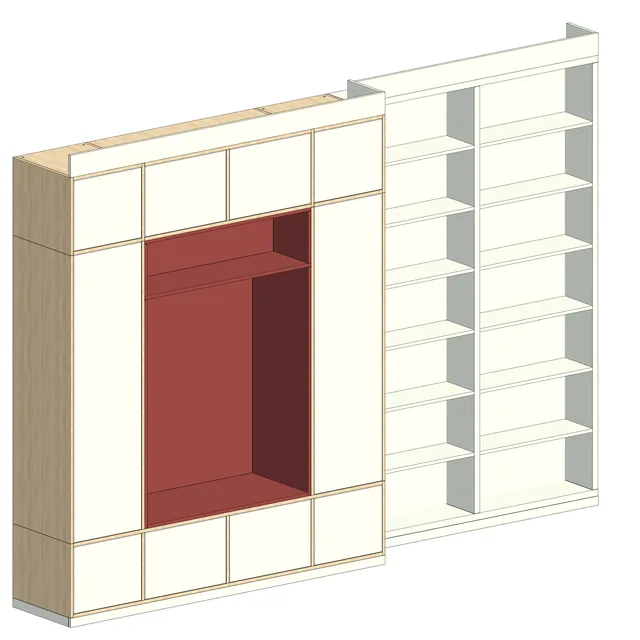
Designers start with tools like AutoCAD or Autodesk Revit. These platforms allow precise modeling of cabinets, panels, and joinery details. Every screw hole, hinge, and cutout can be predefined in the model.
👉 Related: How AR and 3D Design Are Changing Interior Planning
Conversion to CNC Code
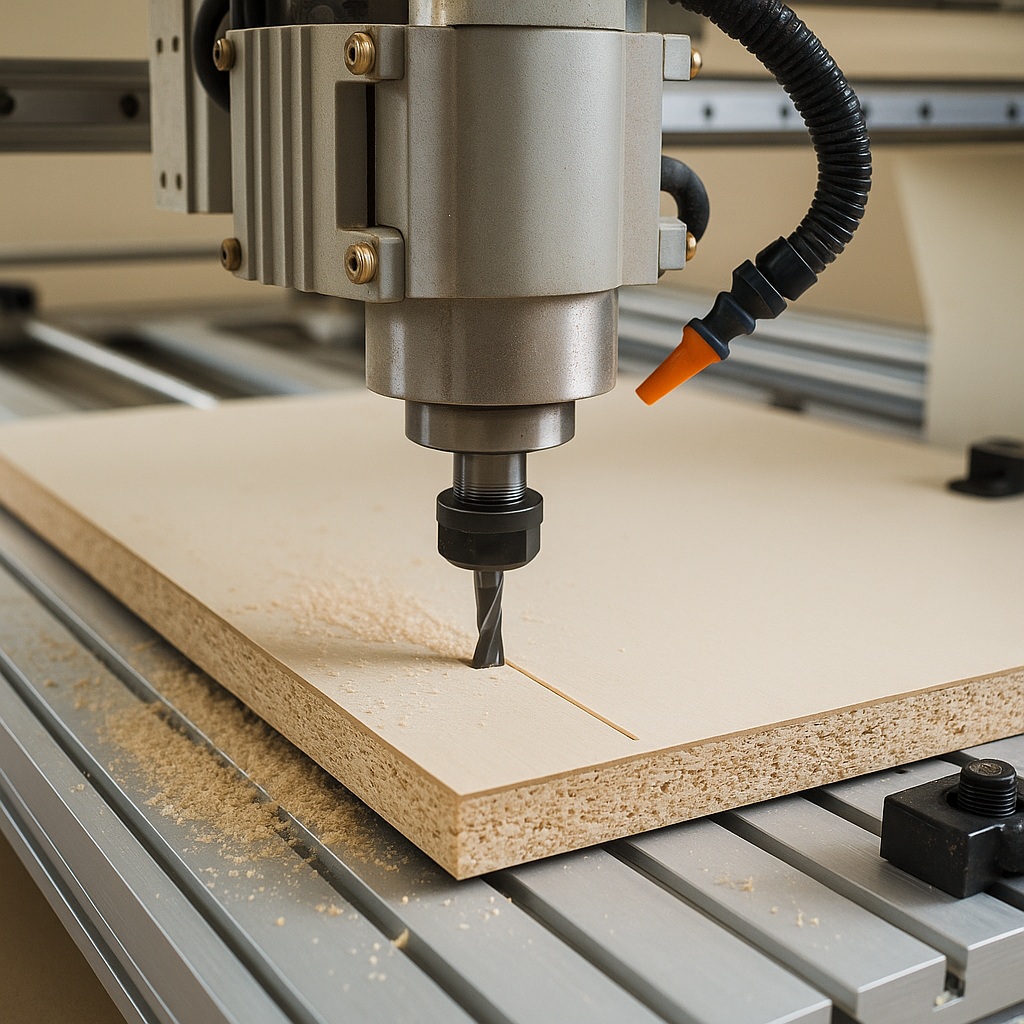
Once approved, digital plans are exported into CNC-readable formats such as DXF, MPR, or CIX. These files act as the instructions for cutting, drilling, and milling machines.
Leading machine manufacturers like Biesse and Homag provide integrated solutions where software directly communicates with the machinery.
👉 Related: Top 7 New Furniture Materials in 2025
Benefits of the Digital Workflow
- Speed — production cycles are shortened dramatically.
- Accuracy — digital models eliminate guesswork and reduce human error.
- Customization — each project can be adapted quickly without disrupting production.
Connected Manufacturing
Modern factories integrate CAD/CAM with ERP (Enterprise Resource Planning) systems, ensuring every board cut is linked to material databases, costs, and logistics. This level of integration makes custom kitchens scalable.
👉 Related: Kitchen Design Trends for 2025
Conclusion
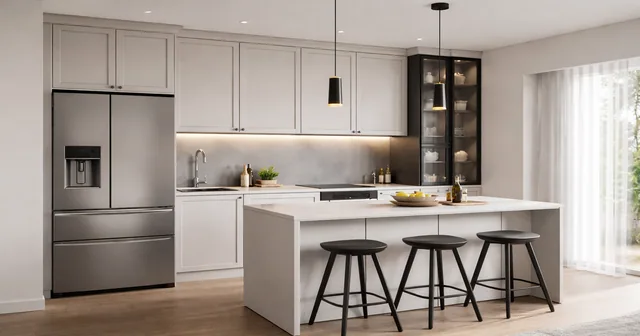
The CAD to CNC pipeline has transformed how kitchens are made. What once required multiple manual steps is now automated, reliable, and sustainable. Combined with 2025 color and decor trends, it creates a future where design and production are seamlessly connected.